What's Actually Inside GlycoMelt
The label and the manufacturer's own pages name a long list of actives. Eight are shown here in detail; the fuller list — including seven amino acids and several additional botanicals — is described below.
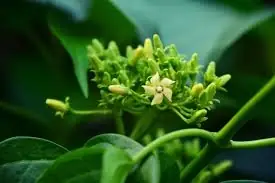
Gymnema Sylvestre
Known in Ayurvedic practice as the "sugar destroyer." Its gymnemic acids temporarily occupy sweet-taste receptors, the long-standing explanation for both reduced sugar uptake and a quieter sweet tooth.
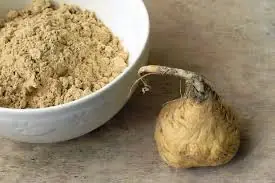
Maca Root Extract
A Peruvian root included for stimulant-free energy support, particularly aimed at the afternoon slump many people associate with fluctuating blood sugar.
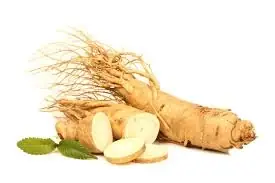
Ginseng Root
Among the better-researched botanicals here. Its ginsenosides are studied for pancreatic cell function, insulin sensitivity and post-meal glucose handling.
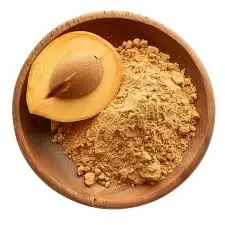
African Mango Seed
Irvingia gabonensis seed extract, studied for its association with fat-cell formation, leptin sensitivity and healthy cholesterol.

Green Tea Leaf Extract
Supplies EGCG catechins, researched for insulin sensitivity, glucose uptake in muscle, and carbohydrate digestion.
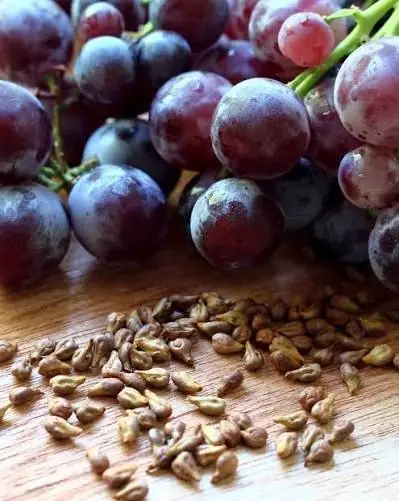
Grape Seed Extract
Contributes antioxidant polyphenols, generally included in this category for circulatory support alongside the glucose-focused actives.
Berberine
The single most-researched botanical compound in this category. Studied for activating AMPK, the cell's energy sensor, linked to glucose uptake in muscle and how much glucose the liver releases. Also the ingredient most likely to interact with prescription medication.
Chromium Picolinate
7 mcg per serving, 20% of the Daily Value — the one ingredient amount actually published for this formula. An essential trace mineral that contributes to normal macronutrient metabolism.
Gymnema Sylvestre
Known in Ayurvedic practice as the "sugar destroyer." Its gymnemic acids temporarily occupy sweet-taste receptors, the long-standing explanation for both reduced sugar uptake and a quieter sweet tooth.
Maca Root Extract
A Peruvian root included for stimulant-free energy support, particularly aimed at the afternoon slump many people associate with fluctuating blood sugar.
Ginseng Root
Among the better-researched botanicals here. Its ginsenosides are studied for pancreatic cell function, insulin sensitivity and post-meal glucose handling.
African Mango Seed
Irvingia gabonensis seed extract, studied for its association with fat-cell formation, leptin sensitivity and healthy cholesterol.
Green Tea Leaf Extract
Supplies EGCG catechins, researched for insulin sensitivity, glucose uptake in muscle, and carbohydrate digestion.
Grape Seed Extract
Contributes antioxidant polyphenols, generally included in this category for circulatory support alongside the glucose-focused actives.
Berberine
The single most-researched botanical compound in this category. Studied for activating AMPK, the cell's energy sensor, linked to glucose uptake in muscle and how much glucose the liver releases. Also the ingredient most likely to interact with prescription medication.
Chromium Picolinate
7 mcg per serving, 20% of the Daily Value — the one ingredient amount actually published for this formula. An essential trace mineral that contributes to normal macronutrient metabolism.
The Rest Of The Formula
Beyond the actives detailed above, GlycoMelt's label also names Coleus Forskohlii Root, Grapefruit Seed Extract, Astragalus, Eleutherococcus Senticosus, Guarana Seed, Monoammonium Glycyrrhizinate, Raspberry Ketones, and an amino acid complex: L-Glutamine, L-Tyrosine, L-Arginine, Beta Alanine, L-Carnitine HCl, GABA and L-Tryptophan.
What The Label Does Not Tell You
Only one amount is published anywhere on GlycoMelt's own pages: Chromium Picolinate at 7 mcg, 20% of the Daily Value. Everything else sits inside a proprietary blend with no per-serving quantity disclosed, so nothing here can be directly compared with the doses used in published research on any individual ingredient. Read the current label, and never assume a named ingredient is present at a studied dose.
Medication Interactions Worth Knowing
Gymnema Sylvestre, Berberine and Chromium are all studied for glucose-lowering effects. If you take insulin or any oral glucose-lowering medication, speak with your prescriber before starting GlycoMelt — combining these actives with prescribed medication can push readings lower than intended. Berberine specifically interacts with several common drugs through liver enzyme pathways.